Why Mesh-Back Sports Bras Leave Such a Distinctive Tan Line
Quick Answer: Mesh fabric blocks less UV than solid fabric, so skin under a mesh panel still tans somewhat, creating a faint textured pattern rather than a clean line — rotating between mesh and solid-back bras, and applying sunscreen under mesh areas specifically, both reduce the visible pattern.
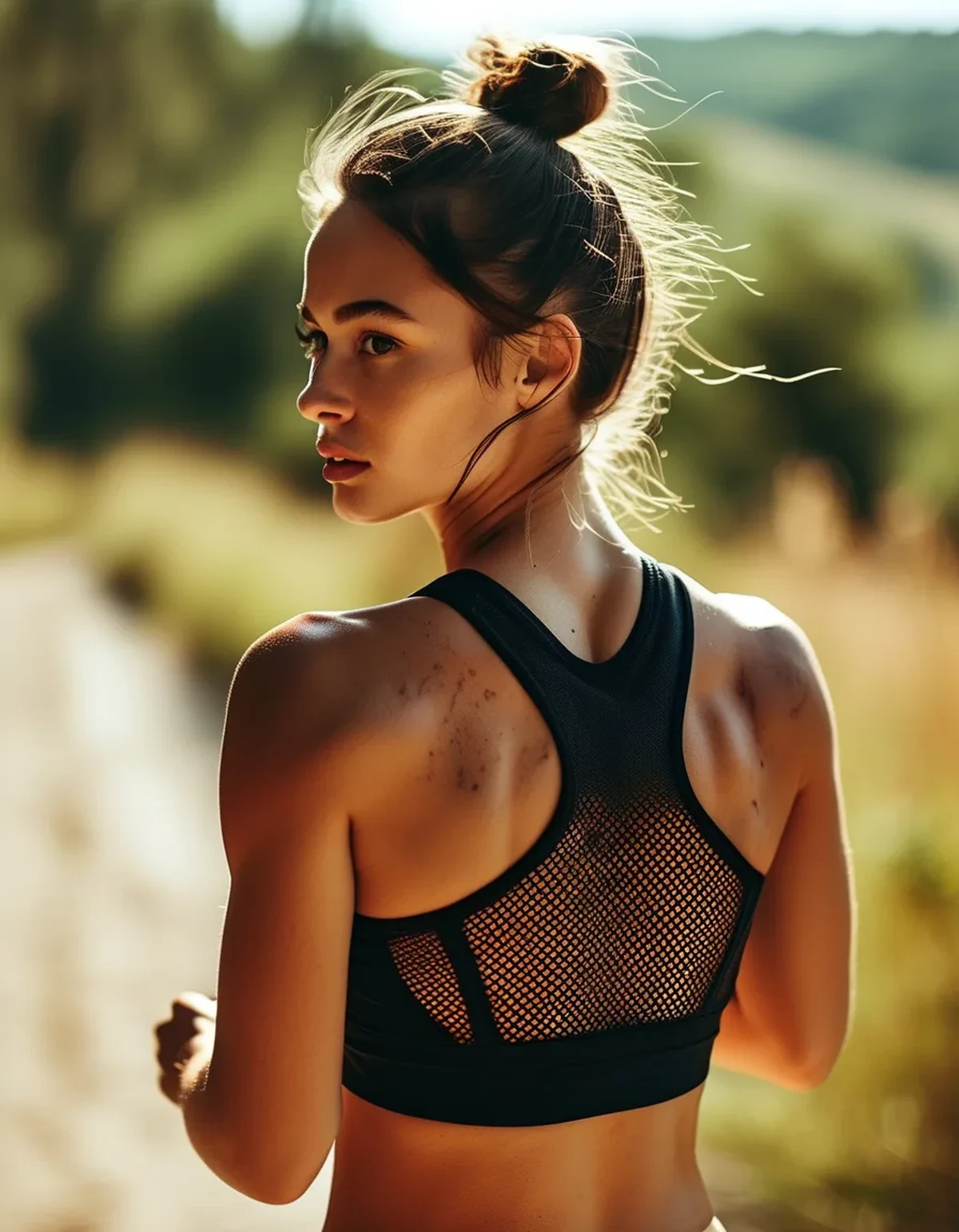
You take the sports bra off after an outdoor run and there’s a faint honeycomb pattern across your back that wasn’t there yesterday. Mesh looks great and breathes well, but it’s not doing much sun-blocking.
Why does mesh create a visible tan pattern where solid fabric doesn’t?
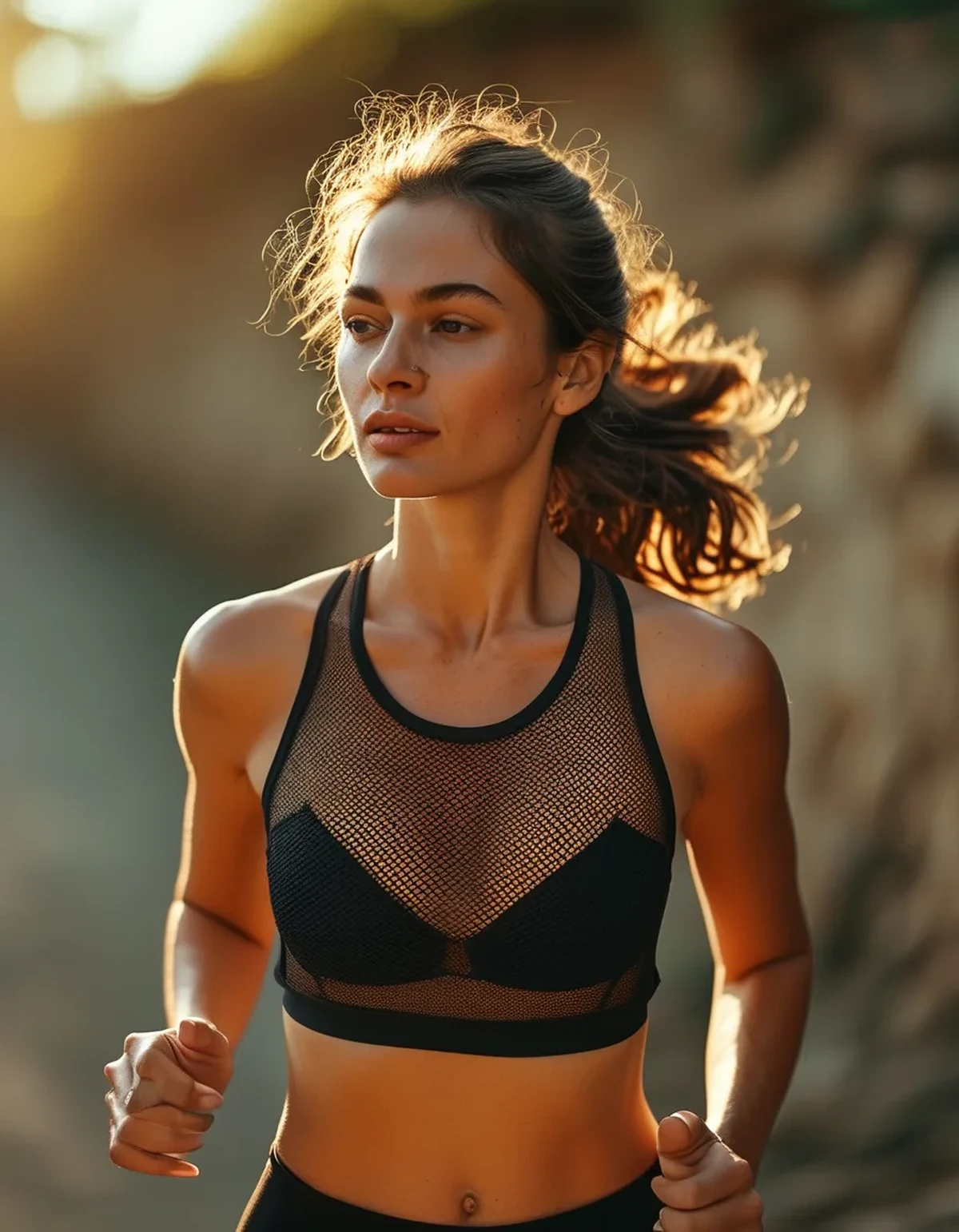
Most sun-protective fabric works by physically blocking UV rays with tightly woven fibers — the denser the weave, the more UV gets blocked. Mesh panels are deliberately woven with open gaps for breathability, and those same gaps let a meaningful amount of UV through to the skin underneath, just less than fully bare skin would receive.
The result is a partial tan that follows the mesh’s actual weave pattern — skin under the open gaps tans more than skin under the woven fiber crossing points, creating the honeycomb or waffle-like pattern people notice after repeated outdoor wear.
Does this happen with any level of sun exposure, or only extended time outdoors?
It’s most visible after repeated exposure over multiple outdoor sessions, similar to how any tan builds gradually rather than appearing after one workout. A single outdoor run typically won’t create a noticeably patterned tan, but regular outdoor training over weeks in strong sun accumulates the effect the same way a regular tan line would develop, just with the mesh texture imprinted into it.
Does sunscreen actually help under a mesh panel?
Yes, meaningfully — applying sunscreen to skin that mesh will cover, not just fully exposed skin, is a step many people skip since it’s technically “covered” by fabric. Because mesh doesn’t block UV nearly as effectively as solid fabric, that skin benefits from sunscreen almost as much as fully bare skin would, and doing so measurably reduces the visible pattern over a season of outdoor training.
5 Mistakes That Make the Mesh Tan Pattern Worse
Assuming any fabric coverage means UV protection. Mesh coverage and UV protection are not the same thing.
Skipping sunscreen anywhere fabric is present. This is the single biggest contributor to a visible mesh pattern.
Wearing the same mesh-back bra for every outdoor session. Repetition on the same exact panel pattern makes the tan more defined.
Not rotating between mesh and solid-back styles. Alternating disrupts the pattern from forming as distinctly.
Assuming the pattern will fade quickly once noticed. Like any tan, it fades gradually over weeks without sun exposure, not overnight.
What Nobody Tells You About Mesh Panel Sun Exposure
Most sports bra product descriptions market mesh panels purely for breathability and never mention the UV trade-off, since sun protection and breathability are somewhat opposing fabric properties — the same openness that lets air through also lets UV through. It’s rarely framed as a real trade-off decision at purchase time, even though for regular outdoor athletes it meaningfully is one.
It’s also rarely mentioned that UPF-rated mesh exists specifically to address this — some athletic brands now offer mesh panels treated or woven to block more UV while retaining some breathability, worth seeking out for anyone who trains outdoors regularly and wants to avoid the pattern altogether.
Is this purely a cosmetic issue, or a real sun protection concern?
Both — the cosmetic tan pattern is the visible symptom, but the underlying issue is that mesh-covered skin is getting meaningfully more UV exposure than solid-fabric-covered skin, which matters for skin health over years of regular outdoor training, not just for how the tan line looks in the short term.
FAQ: Mesh Sports Bra Tan Line Questions, Answered
How long does the mesh tan pattern take to fade once you stop wearing that style?
Similar to a regular tan line, noticeable fading typically takes several weeks without further sun exposure to that area, and full fading can take longer depending on skin type and continued incidental sun exposure.
Is UPF-rated mesh actually less breathable than regular mesh?
Slightly, since UV-blocking treatment or denser weaving reduces some airflow, but well-designed UPF mesh aims to minimize that trade-off rather than eliminate breathability entirely.
Does this affect all skin tones equally?
The pattern is visible on most skin tones that tan noticeably in response to sun exposure, though it may show with less contrast on skin tones that tan less dramatically overall.
TL;DR:
- Mesh panels block far less UV than solid fabric, letting a visible tan pattern form underneath
- The honeycomb pattern builds gradually with repeated outdoor exposure, similar to any tan line
- Sunscreen under mesh areas and rotating bra styles both reduce how pronounced the pattern gets
- UPF-rated mesh exists specifically for outdoor athletes who want breathability without the trade-off
That faint waffle pattern on your back isn’t a fluke — it’s mesh doing exactly what it’s designed to do for airflow, just with a sun-exposure cost most product descriptions never mention.
See It in Motion
Seen here: Racerback Tank Top - White — shop similar styles on bubblelime.com
Keep Reading
This article is for general informational and styling purposes only. Fit, sizing, and product availability may vary.