Sports Bra Support Levels Explained (Low, Medium, High)
Quick Answer: Low support suits yoga, Pilates, and walking; medium covers cycling, hiking, and weight training; high support is for running, HIIT, and anything with real bounce. Match the level to your bounciest regular workout, then check the fit.
“Low support,” “medium support,” “high support” — every sports bra label uses these terms, but almost nobody explains what they actually mean. Pick the wrong level and you’re either under-supported and uncomfortable or over-compressed and miserable. Here’s the plain-English breakdown of sports bra support levels.
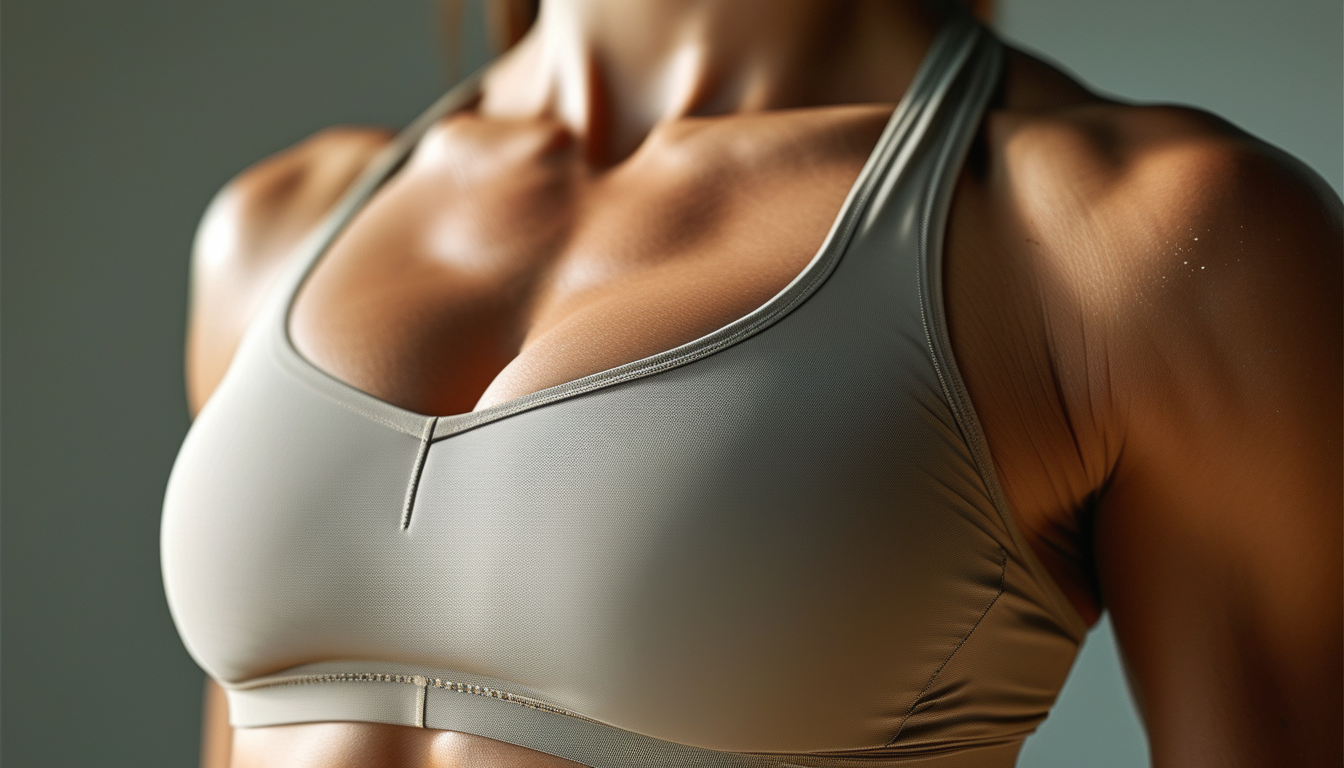
What does “support level” actually mean?
Support level tells you how much movement a bra is designed to control. Get it right and the bra feels invisible; get it wrong and it’s all you can think about for the whole workout. It’s the first spec you should check — before color, before style, before anything else on the label.

What’s the difference between low, medium, and high support?
Low Support
Best for: yoga, Pilates, barre, walking, stretching, lounging. These prioritize comfort and flexibility over lockdown. Think soft fabric, a light band, often a pull-on style. Perfect when there’s minimal bounce to manage and comfort is king.
Medium Support
Best for: cycling, hiking, weight training, dance-based classes, the elliptical. The versatile middle ground. Enough structure to feel secure through moderate movement, but not so much that it feels rigid. If you own one bra for mixed workouts, make it this.
High Support
Best for: running, HIIT, jumping, sprinting, high-intensity cardio. Built to minimize bounce as much as possible. Expect a firm band, encapsulated cups, adjustable straps, and sturdier fabric. Non-negotiable for anything with serious impact.
How do you pick the right support level for you?
Two quick questions:
- How much does my workout bounce? More bounce → more support, no exceptions.
- What do I do most often? Buy for your go-to workout first, not the occasional one.
A simple starter set: one medium-support bra for everyday mixed training, plus a high-support one if you run, and a low-support one for yoga and rest days. Three bras, every workout covered.
5 Mistakes Everyone Makes With Support Levels
- Buying high support “just to be safe.” Over-compression during low-impact workouts is its own kind of uncomfortable.
- Wearing one bra for every activity. A running bra at yoga class feels rigid; a yoga bra at HIIT class feels like nothing’s there.
- Ignoring the band. Even a high-support bra fails if the band rides up or gaps.
- Judging support by price, not construction. Encapsulated cups and a snug band matter more than the price tag.
- Not replacing a stretched-out bra. Support degrades with wash cycles — a bra that fit six months ago may not fit the same now.
FAQ
Can one sports bra cover all workout types?
Not really — a true medium-support bra comes closest to “one bra fits most,” but yoga and HIIT sit at opposite ends of the bounce spectrum, so a dedicated bra for each still performs better.
How do you know if your support level is wrong?
Discomfort mid-workout is the tell — too much bounce means you need more support; a rigid, restrictive feel during low-impact movement means you’ve over-bought.
Does support level affect how long a sports bra lasts?
Yes — high-support bras with encapsulated cups and firmer bands tend to hold their shape longer than soft pull-on styles, which stretch out faster with regular wear.
Does cup size affect which support level you need?
Yes, somewhat — fuller busts often need a higher support level than the activity alone would suggest, since more tissue means more movement to control regardless of workout intensity.
TL;DR:
- Low support = yoga, Pilates, walking
- Medium support = cycling, hiking, lifting, dance
- High support = running, HIIT, anything high-impact
- Match your level to your bounciest regular workout, then dial in fit
Do racerback or crossback styles offer more support than standard straps?
Often yes for high-impact activity — the crossed design distributes weight more evenly across the shoulders and limits strap slip, which is why many high-support bras default to that back style.
How do you know when to size up between support levels rather than sizing up the bra itself?
If a medium-support bra in your correct size still feels under-supportive for a specific workout, that’s a signal to move up a support tier rather than simply buying a bigger size in the same tier.
Bottom Line
Low support = yoga and low-impact; medium = cycling, hiking, and lifting; high = running and HIIT. Pick your level by how much your favorite workout bounces, then dial in the fit with a snug band. Understand these three words and you’ll never buy the wrong sports bra again. Support, decoded.
See It in Motion
Seen here: UPF 50+ Racerback Yoga Tank Top — shop it on bubblelime.com
Keep Reading
This article is for general informational and styling purposes only. Fit, sizing, and product availability may vary.